
Paid Media
Built to Drive More Booked Service Calls
We manage branded paid media campaigns built around lead economics, not vanity metrics.
- No one-size-fits-all campaign structures
- No set-it-and-forget-it management
- No hiding behind impressions and clicks
Every campaign is scoped to market competition, client economics, and conversion goals so spend matches reality, not a budget template.
One plumbing client and one HVAC client per market.
The Pattern We See
Why Most PPC Campaigns Fail
You have seen this before. The campaigns launched, spend is flowing, but leads are weak, costs are high, and you are left wondering where all that money went.
Template campaigns ignore local competition, buyer intent, and capacity. Without a clear lead strategy, spend flows but outcomes stay vague.
Budgets go out the door without clean conversion tracking or attribution. When ROI cannot be proven, every invoice becomes a negotiation.
Campaigns need daily attention. Search terms, bids, and audiences drift while performance degrades and no one notices.
You receive dashboards full of clicks and impressions instead of clarity. Data without context creates confusion, not confidence.
When something works, there is no system to expand it. Budget stays flat. Opportunities are missed. Growth stalls at the first plateau.
We build paid media specifically for local lead generation, with structure, tracking, and optimization you can stand behind.
What Actually Changes When Paid Media Works
Proactive strategy paired with systematic refinement. Budget flows toward what converts, away from what does not.
Leads Start Flowing Immediately
Paid media delivers qualified leads within days, not quarters.
Waste Gets Cut Weekly
Underperforming keywords, audiences, and placements are identified and removed every week.
Efficiency Compounds Monthly
Ongoing refinement lowers cost per lead as targeting and messaging improve.
Scalable Growth When Ready
Proven campaigns scale predictably when capacity and goals align.
From Strategy to Scale
Every campaign is built for the specific platform, audience, and market—sequenced to generate leads first, then optimize and expand across channels.
Research, Strategy & Infrastructure
Foundation
Comprehensive analysis and tracking setup before any spend goes out the door. This phase typically spans 2-4 weeks and includes a one-time setup fee.
What This Phase Includes
- Market and competitor analysis
- Campaign structure design by platform
- Ad copy, testing frameworks, and landing page conversion review
- Conversion tracking setup and linking
- Offline conversion setup (if applicable)
- Call tracking implementation
Every platform requires different tactics. Google means negative keywords and search term exclusions. Meta means testing audiences, interests, and placements. The goal is always the same: direct budget toward what converts.
The Levers We Pull
The Levers We Pull Based on Budget and Goals
Each component is scoped based on budget, goals, and market dynamics.
Google Ads Management
Search, display, and shopping campaigns built for local lead generation.
Meta Ads Management
Facebook and Instagram campaigns that reach local audiences.
Local Service Ads
Google-verified LSAs with pay-per-lead pricing.
Retargeting & Display
Display and social retargeting via Google, Meta, and AdRoll.
Landing Page Design
Conversion-focused pages with local trust signals and optimized forms.
Conversion Tracking
Tracking setup that connects clicks to form fills, calls, and revenue.
Before We Talk
We Are Selective About Who We Work With
Fit matters more than volume. This is who gets results, and who should look elsewhere.
This Could Work Well
Probably Not a Fit
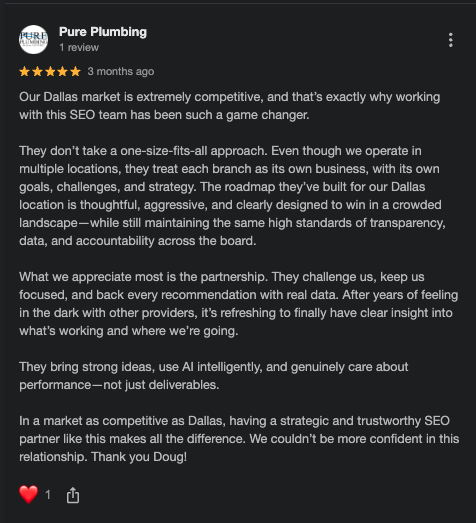
Real Reviews From Real Operators
Real Shops. Real Words. Real Money Found.
Common Questions
Frequently Asked Questions
Results & Performance
Services & Scope
Partnership & Process
The Bigger Picture
Paid Media Is One Piece of the 360° Growth Engine
Paid media fills the pipeline while SEO compounds demand.
Each service works independently, but performance accelerates when they are aligned.
Ready to Own Your Market?
Schedule a Consultation Now
A short, no pressure conversation to understand your shop, your service area, and whether DemandStream is the right fulfillment partner for your next phase of growth.
One Plumbing company and one HVAC company per market. Real conversations, not sales calls.
Schedule a Consultation NowTakes about 60 seconds to qualify. We'll follow up within one business day.
See If Your Market Is Available
Tell us where you operate and what you're working toward. We'll take it from there.
One plumbing company per market. Your competitors don't get in.
Ready to Own Your Market?
Schedule Your Growth Audit
Walk through your service area, capacity, and growth targets with our team. We confirm fit before any pitch.
One plumbing or HVAC company per market. Your competitors don't get in.
Claim Your Territory Today60 seconds to qualify. Follow up within one business day.
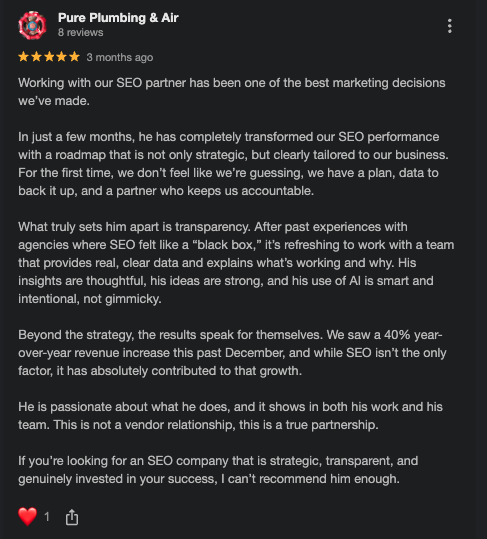
"What truly sets them apart is transparency. After past experiences with agencies where SEO felt like a 'black box,' it's refreshing to work with a team that provides real, clear data and explains what's working and why."
Pure Plumbing & Air — Google Review